 |
 |
 |
 |
|
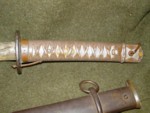
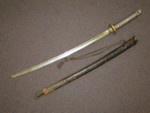
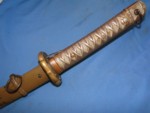
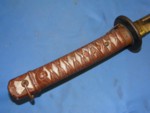
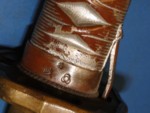
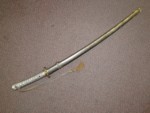
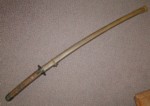
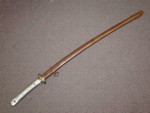
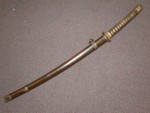
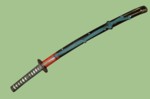
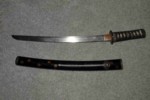
Sword 1 - This is a WWII Katana sword with a pre-1900s hand made blade. The fittings are Japanese Imperial
army type. The blade has some damage to the spine.
|
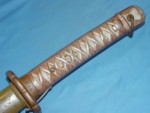
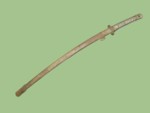
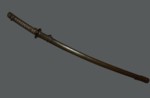
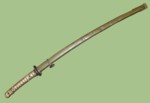
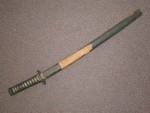
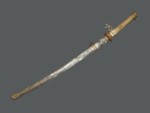
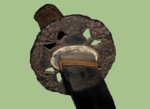
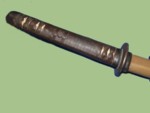
Sword 2 - Japanese Katana sword with WWII mountings and a hand made blade. The Tsuba dates back to the
late 1800's. The scabard is covered with brown leather.
|
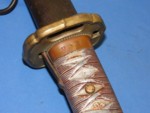
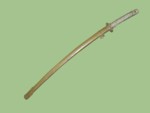
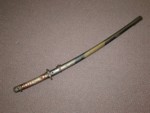
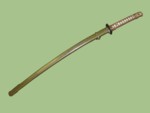
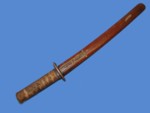
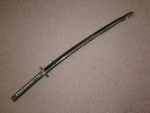
Sword 3 - 1943 WWII Katana sword with a hand made blade. The tang is signed on one side while the other
side has seven characters outlining the date.
|
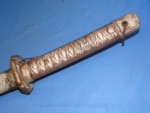
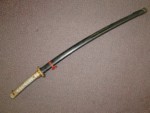
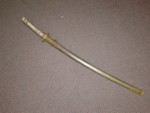
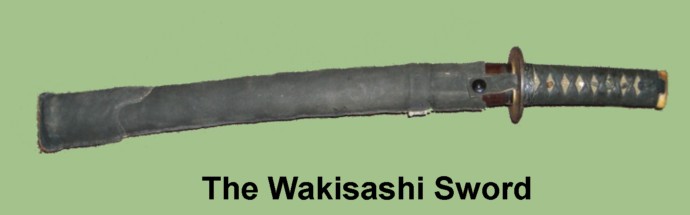
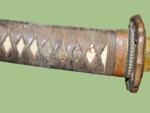
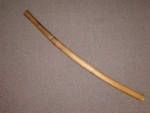
Sword 4 - WWII Samurai Katana sword with a machine made blade. The tang has arsenal or factory painted
characters. A seki stamp has been applied to the spine and side of the tang.
|
 |
 |
 |
 |
|
Sword 5 - WWII Katana Samurai sword. Seki stamp is placed at base of tang. The blade is signed. The
mountings are a combibation of traditional and WWII.
|
Sword 6 - This is a Samurai Katana sword with a mix of traditional and WW2 mountings. The blade has
been shortened and remounted. Three holes are found on the tang.
|
Sword 8 - WWII Samurai sword Katana. Some of the components appear to be post-war replacements. The
scabbard is covered with brown leather.
|
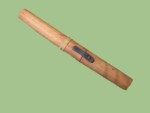
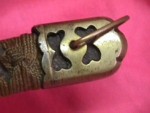
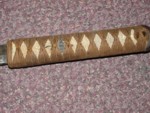
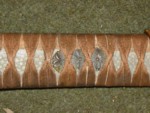
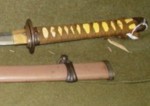
Sword 41 - This is a Katana Samurai sword that has been outfitted for combat in the jungles of the
South Pacific. The handle has been waterproofed.
|
 |
 |
 |
 |
|
Sword 9 - 1800's Katana Samurai sword. Missing the scabbard. The handle is in traditional wrappings.
The menuki is the shape of a leaf. The blade shows some rusting.
|
Sword 14 - WWII Samurai sword Katana. With an unsigned tang. Single hole construction. The Tsuba dates back
to the late 1800's or early 1900's. Leather covered scabbard.
|
Sword 15 - WWII JAPANESE Katana Samurai sword. With a signed blade. the tang has also white paint arsenal
markings. The Tsuba has a Seki stamp. All WWII fittings.
|
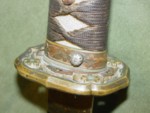
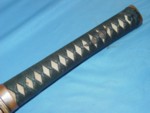
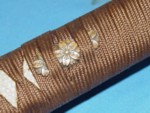
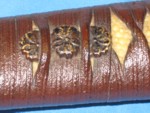
Sword 16 - WWII 1944 Japanese Imperial army Katana sword. Dressed in WW2 attire. The tang is signed and
dated. The menuki is traditional 3 flower design.
|
 |
 |
 |
 |
|
Sword 20 - This is a Samurai sword Katana mounted in WWII fittings. The scabbard is covered in brown
leather. The blade is signed. Single hole tang.
|
Sword 23 - Showa Period Katana Samurai sword. This is a machine made blade with a Seki stamp on the tang.
The tang also has seven markings. It is mounted in traditional attire.
|
Sword 24 - WWII December 1944 Katana Samurai sword with a hand made blade. The tang has two holes, one
near the base and one near the top. WWII mountings.
|
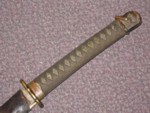
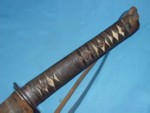
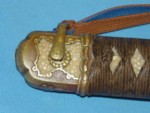
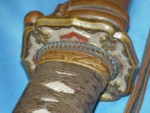
Sword 37 - This is a WWII Katana Sword. Signed by Kanefusa. The handle is wrapped in the standard
military cloth. The scabbard is covered in brown leather.
|
 |
 |
 |
 |
|
Sword 25 - WWII Samurai Katana sword. Manufactured and signed by master Masakuni. Dressed in WWII imperial
Army attire. The handle is weather-proofed. Secured with a screw.
|
Sword 26 - WWII Samurai Katana sword. created and signed by master Ishido Teruhide. The tang is signed and
has a single hole. The sword comes with the officer's tassle.
|
Sword 27 - Katana sword. a Koto blade in WWII Japanese Imperial Army fittings. The tang is rough. It is
signed but the characters are difficult to make out.
|
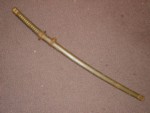
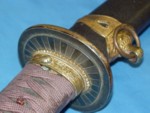
Sword 38 - This is a WWII Katana Sword. Signed Nagamitsu. Only one side of the tang is marked.
The handle is wrapped in the weather-proofed format.
|
 |
 |
 |
 |
|
Sword 33 - WWII Katana Sword with Seki Arsenal stamp and production numbers written on green ink. All
fittings are marked with matching numbers. Signed tang.
|
Sword 34 - WWII Naval Katana Samurai Sword. Signed by master Kunimori. The sword is beautifully mounted
in military fittings. The tsuba has the rising sun pattern. Dated 1944.
|
Sword 35 - WWII era Samurai Katana Sword. Signed by Ama Hide. All standrad Imperial Japanese Army
mountings. The sword has a snap that clips to the scabbard. Original polish.
|
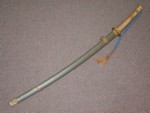
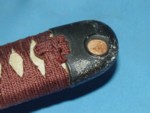
Sword 36 - 1800's Samurai Katana Sword. The tang is not signed. It does not appear to have been
shortened. Single hole. Scabbard wrapped in brown leather.
|
 |
 |
 |
 |
|
Sword 43 - An 1800's Katana dressed in traditional attire. The scabbard is of wooden construction and
dressed in black lacquer. The Menuki is older as well. Blade not signed.
|
Sword 44 - A Showa period Katana sword. The blade was manufactured on May of 1945. The tang is signed.
The sword has WWII dressings.
|
Sword 46 - This is a WWII Katana with a Seki stamp. Of WWII production. The stamp consists of a factory
logo. All attire is WWII period.
|
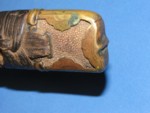
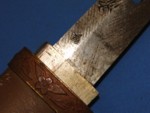
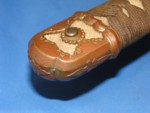
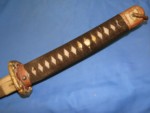
Sword 29 - WWII Samurai Katana sword. In full Imperial Japanese army mountings. The type of construction
indicates "Last Ditch" Sword qualities. The tang is signed and marked with paint.
|
 |
 |
 |
 |
|
Sword 49 - This is a Katana with a Koto blade. Mounted in traditional fittings. The scabbard is wooden.
The Tsuba is old. It comes with a Dragon Menuki.
|
Sword 50 - A WWII Katana Samurai sword made by Takeyama Yoshinao. The tang has a Seki stamp. mountings
are all WWII period. The blade is signed.
|
Sword 51 - 1943 Japanese Imperial Army Katana with hand made blade made by Munetoshi. This is a Gendaito
blade. Tsuba dates back to 1800's. Blade si star stamped.
|
Sword 52 - 1944 Katans Sword made by Master Nobumitsu. All WWII dressings with a blade that is marked on
both sides. one side is the date the other the signature.
|
 |
 |
 |
 |
|
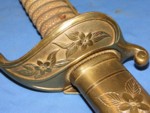
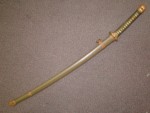
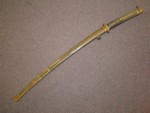
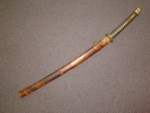
Sword 53 - This is a Japanese Officer 1883 dress sword. As issued during WWII. The blade dates back to
the mid 1500's to the mid 1600's. Created by Fuyu Hiro.
|
Sword 54 - A WWII Katana Samurai sword. Manufactured in october of 1942 by swordsmith Yasu Oki. outfitted
in WWII attire.
|
Sword 55 - 1943 Japanese Imperial Army Katana. Created by swordsmith Kanetomo during the month of June.
|
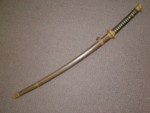
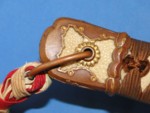
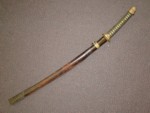
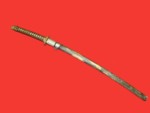
Sword 57 - A Katana sword manufactured by Swordsmith Nagayoshi. This blade was made on April 1943.
|
 |
 |
 |
 |
|
Sword 60 - A Katana sword manufactured for the military by Akitoshi Tsukuru from the province of Kuni.
|
Sword 62 - A Katana sword produced by master Ayasuki. This is a medium grade Gendaito.
|
Sword 63 - A Katana sword manufactured by master Emura Saku. This is a medium grade Gendaito.
|
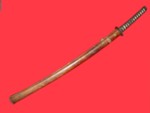
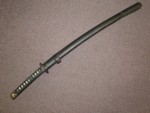
Sword 66 - A Katana sword which is signed but the name has not been translated. A showato sword.
|
 |
 |
 |
 |
|
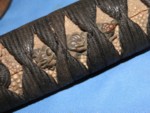
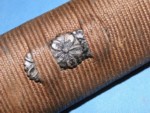
Sword 67 - A Katana sword manufactured by Masateru. Complete with a Kiku flower. Forged
by Master Masateru. Mounted in traditional attire.
|
Sword 68 - A 1700's Katana sword with beautiful traditional mountings. Signed and stamped
with logo. Wooden scabbard.
|
Sword 69 - A Katana sword from the Showa period. The blade has been shortened taking
part of the signature away. Machine made blade.
|
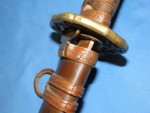
Sword 70 - A Katana sword with a very interesting locking mechanism. Produced during WWII.
Signed blade.
|
 |
 |
 |
 |
|
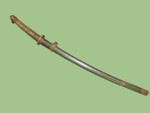
Sword 71 - This is a WWII Katana sword forged by Master Mantetsu. The sword is dated 1939
using the Chinese Zodiac system.
|
Sword 73 - This is a late war Katana sword manufactured by master Hiro Mitsu. The blade is
dated 1945. All fittings are consistent with a late war piece.
|
Sword 74 - This is a WWII Samurai Katana forged by master Hattori Masahiro. He worked in
the city of Seki. All WWII fittings.
|
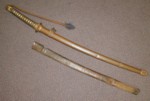
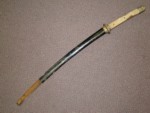
Sword 76 - Late Shinto period Katana sword. The blade is signed. Traditional wrapping
with a metal scabbard.
|
 |
 |
 |
 |
|
Sword 77 - This is a late 1800's Katana sword. The blade is not signed. Beautifully
fitted in traditional attire.
|
Sword 78 - This is a WWII Naval Katana sword dressed in army attire. manufactured in
the Tenshozan factory. Fafimily Mon has been removed.
|
Sword 79 - A Katana sword not signed. 1800's vintage. Horimono carved near the tip. Bohi
carvings on both sides of blade.
|
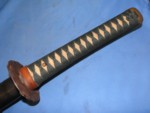
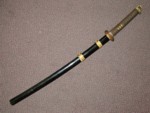
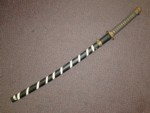
Sword 80 - A Katana sword manufactured during WWII by Master Teru Hide. Mountings are
traditional and damaged.
|
 |
 |
 |
 |
|
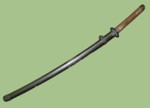
Sword 81 - A Katana sword made in the 1600's by Master Kito Mitsu. Rebellion style
mountings.
|
Sword 86 - A Naval Katana sword made in the 1940's by Master Yukimune. Naval Menuki.
|
Sword 88 - A Japanese army Katana sword made in the 1800's, The tang is not signed. Civilian attire.
|
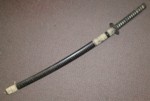
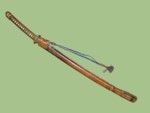
Sword 90 - A Katana sword made in the WWII period by Master Noshu Kanemichi. This is a star stamped
blade in late WWII combat mountings.
|
 |
 |
 |
 |
|
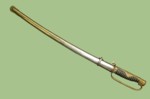
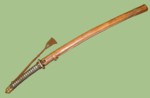
Sword 105 - A Katana sword made in the 1800's period by Master Inoue Naomasa.
|
Sword 94 - A Katana sword made during WWII. Unsigned blade. The handle has a Samurai Mon.
|
Sword 97 - An officer's dress sword made during WWII. Uses a Samurai blade. The handle has a beautiful design.
|
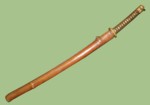
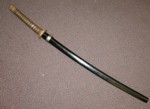
Sword 103 - WWII Samurai Katana sword. Seki stamp. Machine made blade. Signed Kane Chika.
|
 |
 |
 |
 |
|
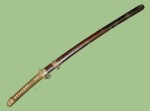
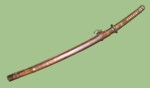
Sword 107 - WWII Samurai Katana sword. Hand made. Signed Katsu Masa.
|
Sword 111 - WWII Samurai Katana sword. Not signed.
|
Sword 121 - WWII Samurai Katana sword. Sukuda Sukemitsu.
|
Sword 117 - This is a WWII Japanese Samurai sword. Dated 1940. Made by Masakane.
|
 |
 |
 |
 |
|
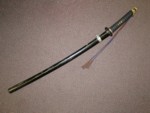
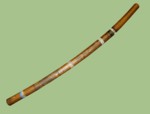
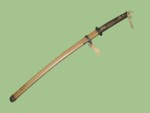
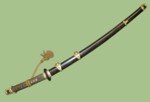
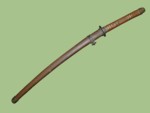
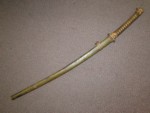
Sword 85 - WWII Samurai Katana sword. No Tsuba. Jungle weatherproofing.
|
Sword 109 - WWII Samurai Katana naval sword.
|
Sword 132 - Japanese Samurai Katana sword made by Tomoshige.
|
Sword 134 - Japanese Samurai Katana sword made by Nagamitsu. This is a late war sword.
|
 |
 |
 |
 |
|
Sword 95 - WWII Japanese Samurai Katana sword. As issued to Naval officers.
|
Sword 98 - WWII Japanese Samurai Katana sword. Manufactured by Tadatoshi.
|
Sword 100 - WWII Japanese Samurai Katana sword. Signed blade.
|
Sword 108 - WWII Japanese Samurai Katana sword. Made by Kane Aki.
|
 |
 |
 |
 |
|
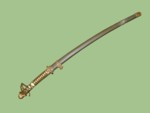
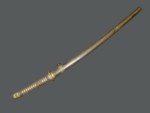
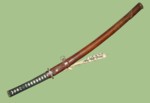
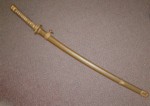
Sword 115 - WWII Japanese Samurai Katana sword. Not signed.
|
Sword 116 - 1650's Japanese Samurai Katana sword. Made by Kinmichi.
|
Sword 118 - Naval Japanese Samurai Katana sword. Signed blade.
|
Sword 122 - 1941 Japanese Samurai Katana sword. Signed Kaneshiki or Kanenori.
|
 |
 |
 |
 |
|
Sword 123 - WWII Japanese Samurai Katana sword. Signed blade.
|
Sword 130 - Japanese Samurai Katana sword. Made by Kanemichi.
|
Sword 131 - Japanese Samurai Katana sword. Part of signature missing. Kiku flower on tang.
|
Sword 138 - Japanese Samurai Katana sword. Made in Manchuria. Forged by Mantetsu.
|
 |
 |
 |
 |
|
Sword 136 - Japanese Samurai Katana sword by Nagamitsu.
|
Sword 137 - Japanese Samurai Katana sword. Made in the 1600's.
|
Sword 139 - Japanese Samurai Katana sword. Made in the 1700's.
|
Sword 142 - WWII Japanese Samurai Katana sword. Made by Mano Masayasu.
|
 |
 |
|
Sword 143 - WWII Japanese Naval Samurai Katana sword .
|
Sword 144 - Japanese Samurai Katana sword. Straight blade.
|