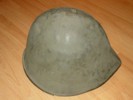
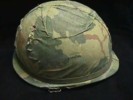
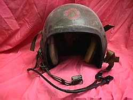
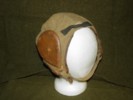
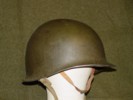
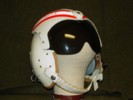
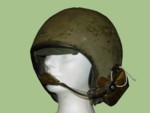
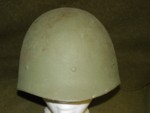
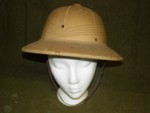
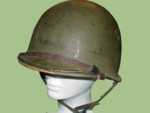
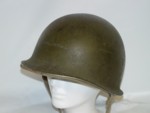
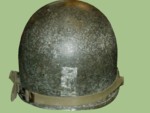
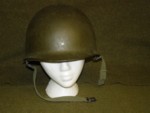
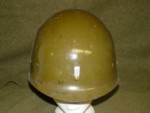
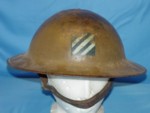
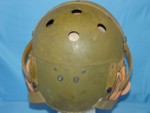
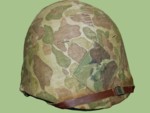
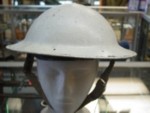
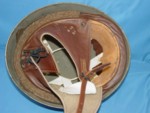
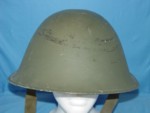
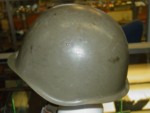
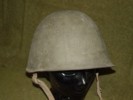
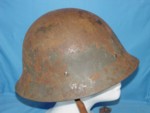
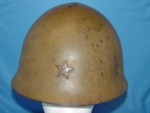
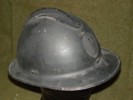
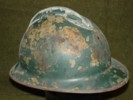
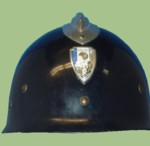
UNITED STATES MILITARY, AVIATION AND CIVILIAN HELMETS
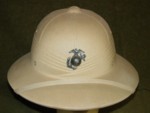
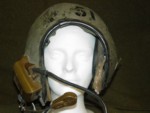
This section of the website covers the various US combat helmets. From all the braches. Ranging
from WWI to the present.
The history of the modern US combat helmet can be traced back to 1917. As the war
in Europe intensified, the number of casualties incremented. Many of the soldiers
had head wounds produced by sharpnel. It was clear that head protection was
needed. Since the US did not have a helmet design at the time, it turned towards
its allies. England stepped forward and provided a large number of helmets to
the US troops. This was the birth of the M-1917 helmet. Also identified as
Doughboy helmet.
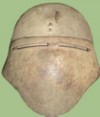
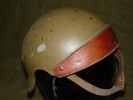
The M-1917 saw action in WWI and the early days of WWII. Between the years of 1917
and 1936, US companies were producing a series of experimental helmets. The
development program was lead by Major Bradford Dean, who chaired the Armor
Committee of the American Counsel of National Research.
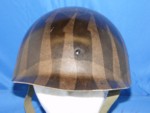
We have managed to get a hold of several of these helmets and are featuring
them on this page.
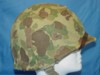
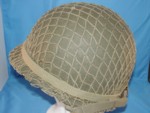
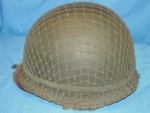
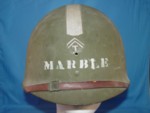
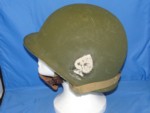
The year 1941 saw the birth of the next generation of American combat helmets.
The M-1, perhaps the most recognizable icon of WWII, was adopted for use by all
troops. Much of the design for the helmet came from the work of John T Ridell.
One of the different aspects of this helmet is that the liner and the helmet
shell were two separate pieces which could be used independently.
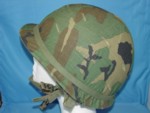
The last of the American combat helmets, which is currently in use, is known as
the Kevlar helmet. Introduced into combat in 1983 with the invasion of Granada.
The helmet was designed by Phillip Durand and Lawrence Macmanus. The helmet
went back to being a single piece. Liner and shell were integrated again. A
25% more protection than the M-1 helmet was achieved with the new design.
The following information will help the enthusiast identify US Military helmets. It also
contains a price guide to establish the value of the helmet.
|
|
|
|
|
|
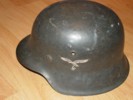
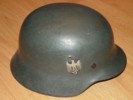
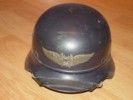
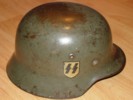
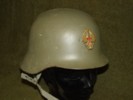
GERMAN MILITARY AND CIVILIAN HELMETS
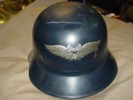
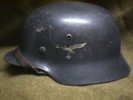
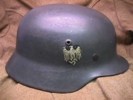
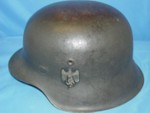
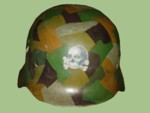
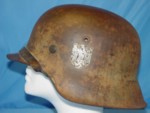
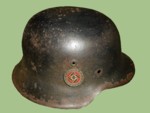
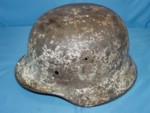
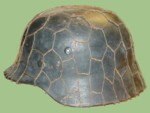
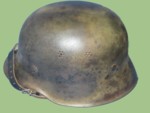
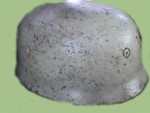
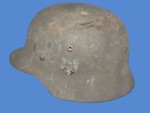
This section of the page covers helmets from the WWI and WWII era. The German helmet has a very
distinctive appearance. The helmets worn in WWII had few differences from the helmets employed
in WWI.
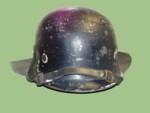
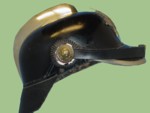
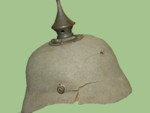
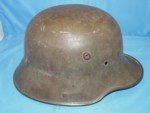
The model 1916 was issued to members of the Imperial German Army as a replacement of the
pickelhaube, which did not offer enough protection to the wearer. The new style of helmets
provided alot more protection to the neck section. The 1916 model was used at the begining of
the Third Reich. The only change to it was the addition of the Swastika sticker. This helmet
was replaced in 1935 by the M-35 helmet. Although replaced, the M-1916 helmet continued in
service with civilian and foreign units clear until the end of the war.
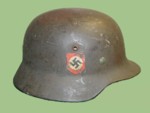
The M-35 helmet was replaced by the M-1943 helmet. Due to cost and efficiency reasonf the M-43
helmet was stamped of a single sheet of metal without the rolling of the edges.
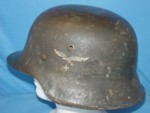
All German helmets were painted inside and out. This would prevent the formation of rust. The
helmets were produced in 5 different sizes. This covered the entire population. Stickers were
applied to the side to designate branch of service or special units.
Determining which type of German WWII helmet you have and how much it is worth is always an
interesting exercise. The data provided here will help you do both. Identify the type of
helmet you have and determine its value.
|
|
|
|
|
|
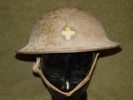
GREAT BRITTAIN MILITARY HELMETS
This section of the website covers British helmets employed during the WWI and WWII era. When the
United States entered WWII its army was ill prepared. Lack of training and proper equipment
plagued the country. Great Brittain helped the war effort by providing the US with helmets.
The information presented here will assist the collector identify the type of British helmet at
hand. It will also help determine its worth.
|
|
|
|
|
|
MILITARY HELMETS OF VARIOUS COUNTRIES
This section of the website covers the combat helmets employed during WWII and beyonf by a
variety of countries. These helmets
are difficult to acquire. The following is a guide to help the militaria collector identify
Duth helmets and determine what they are worth.
|
|
|
|
|
|
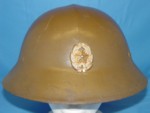
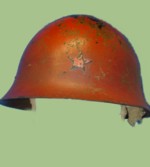
MILITARY HELMETS OF JAPAN
This section of the website covers the helmets employed by Japan during WWII. The information
found here will assist the military collector get a better understanding of the type of helmet
and what is worth in the present market.
|
|
|
|
|
|
SPANISH MILITARY HELMETS
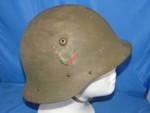
This section of the website covers helmets that were used by the Spanish Army during WWII. The
Spanish helmet had a great deal of German influence because Germany equiped the Spanish armed
forces during its civil war. The helmets from both countries are so similar that often times
people believe that the Spanish helmet is a German helmet.
The following is an identification guide for vintage military helmets of Spain. In addition
information is provided regarding the current market value of the helmet.
|
|
|
|
|
|
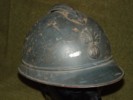
FRENCH MILITARY HELMETS
The French armed forces have employed a variety of helmets. This section of the website will
study those employed between the periods of WWI and WWII.
The following data helps the military enthusiast identify the type of French military helmet
collectible at hand and its present market value.
|
|
|
|
|
|
|